
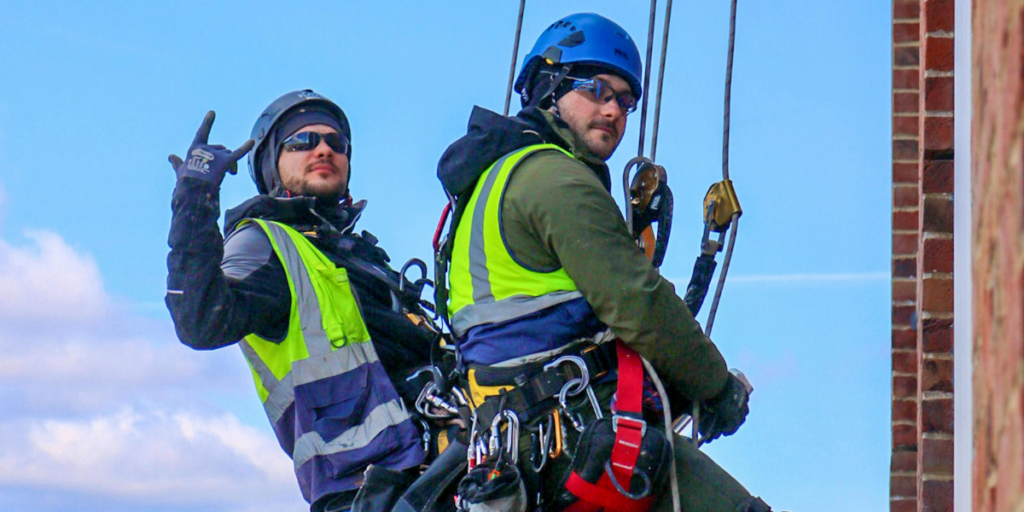
Working at heights is one of the most dangerous tasks across industries like construction, telecom, rescue operations, tower climbing, and industrial maintenance. A reliable safety harness is not just a compliance requirement — it is a life-saving investment.
However, with so many options available in the market, choosing the right harness can become confusing. This safety harness buying guide will help you understand the key features to evaluate before making a purchase decision.
Whether you are a contractor, procurement manager, or industrial safety officer, selecting the right harness ensures better worker protection, comfort, and productivity.
Why Choosing the Right Safety Harness Matters?
A poor-quality or incorrectly selected harness can lead to:
- Increased risk of falls and injuries
- Worker discomfort and fatigue
- Reduced operational efficiency
- Non-compliance with workplace safety standards
- Higher replacement and maintenance costs
A high-quality full body safety harness distributes fall impact evenly across the body while allowing workers to move comfortably during long working hours.
1. Full Body Design and Proper Weight Distribution
The first feature to check is whether the harness offers full body support. A full body safety harness is designed to distribute fall forces across the shoulders, thighs, chest, and pelvis to reduce injury risk.
Look for:
- Ergonomic design
- Adjustable shoulder and leg straps
- Proper back support
- Even weight distribution
A well-designed harness minimizes pressure points and improves comfort during prolonged usage.
2. Quality of Webbing Material
The durability of a harness largely depends on the quality of the webbing material used.
High-grade polyester or polyamide webbing is preferred because it offers:
- High tensile strength
- Resistance to abrasion
- UV protection
- Moisture and chemical resistance
- Long service life
Heavy-duty webbing ensures the harness performs effectively even in demanding industrial environments.
3. Strength and Certification Standards
Never purchase a harness without verifying its testing and certification standards.
Choose products that comply with recognized standards such as:
- IS standards
- CE certification
- ANSI standards
- OSHA compliance
Certified harnesses undergo rigorous testing for:
- Load-bearing capacity
- Shock absorption
- Buckle strength
- Stitch durability
Certified products provide confidence in worker safety and regulatory compliance.
4. D-Ring Position and Attachment Points
D-rings are critical attachment points used for fall arrest, positioning, and rescue applications.
Different work environments require different D-ring configurations:
- Back D-ring for fall arrest
- Side D-rings for positioning
- Front D-ring for climbing applications
- Shoulder D-rings for rescue operations
Always select a harness according to the nature of the job and working conditions.
5. Comfort and Padding
Workers often wear harnesses for several hours continuously. An uncomfortable harness can reduce productivity and increase fatigue.
Important comfort features include:
- Breathable padding
- Lightweight construction
- Sweat-resistant materials
- Adjustable fit
- Soft edge finishing
Comfortable harnesses encourage proper usage and reduce the chances of workers removing safety equipment during operations.
6. Easy Adjustment and Quick-Release Buckles
Proper fitting is essential for safety harness performance.
Modern harnesses come with:
- Quick-connect buckles
- Easy adjustment mechanisms
- Fast-release systems
- Multiple size adjustment points
These features improve convenience and help workers wear the harness correctly without wasting time.
7. Application-Specific Design
Different industries require specialized safety harnesses.
Examples include:
| Industry | Recommended Harness Type |
|---|---|
| Construction | Full body harness with shock absorber |
| Telecom & Tower Climbing | Sit harness with front D-ring |
| Rescue Operations | Rescue harness with shoulder loops |
| Industrial Maintenance | Multi-purpose positioning harness |
| Roofing | Lightweight fall arrest harness |
Choosing an application-specific harness improves both safety and efficiency.
Common Mistakes to Avoid While Buying a Safety Harness
Many buyers focus only on price and ignore critical safety factors.
Avoid these common mistakes:
- Buying uncertified products
- Ignoring worker comfort
- Choosing the wrong harness type
- Overlooking inspection requirements
- Not checking compatibility with lanyards and anchors
A low-cost harness may result in higher risks and long-term operational losses.
How to Maintain a Safety Harness?
Regular inspection and maintenance are equally important.
Follow these best practices:
- Inspect stitching and webbing before every use
- Check buckles and D-rings for damage
- Store in a dry and clean environment
- Avoid exposure to chemicals and sharp edges
- Replace damaged or expired harnesses immediately
Routine inspection helps maintain performance and extends product life.
Why Industrial Buyers Prefer Certified Safety Harness Manufacturers?
Trusted manufacturers provide:
- Tested and certified products
- High-strength webbing materials
- Better quality assurance
- Customization options
- Bulk supply capabilities
- Technical support
Industrial buyers often prefer manufacturers with proven expertise in narrow woven fabrics, ropes, webbings, and fall protection equipment.
Conclusion
Choosing the right harness is crucial for workplace safety and operational efficiency. By following this safety harness buying guide, businesses can make informed decisions while ensuring worker protection and compliance.
Before purchasing, always evaluate:
- Material quality
- Certification standards
- Comfort
- D-ring configuration
- Application suitability
- Ease of adjustment
- Durability
Investing in a high-quality safety harness is ultimately an investment in worker safety, productivity, and long-term reliability.
FAQs
What is the most important feature in a safety harness?
The most important feature is proper fall protection capability combined with certified load-bearing strength and correct fit.
How often should safety harnesses be inspected?
Safety harnesses should be visually inspected before every use and thoroughly checked periodically according to workplace safety regulations.
Which material is best for safety harness webbing?
Polyester webbing is widely preferred because of its high strength, UV resistance, and durability.
Can one harness be used for all industries?
No. Different industries require specialized harness designs depending on the work environment and application.
Why are certified safety harnesses important?
Certified harnesses are tested for strength, durability, and safety compliance, reducing the risk of workplace accidents.