
Though cotton is not the strongest of the three, one of the biggest advantages it has over the others is its capability to eliminate static electricity.
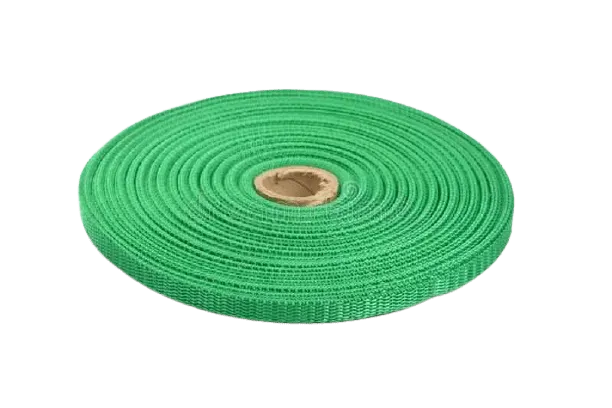
Though cotton webbing is a thin and lightweight material, it can still be strong. This material, besides having the best texture, is the easiest to sew.
Cotton webbing can be one of the costly fibers, but when it comes to getting that natural fiber feel, you have to go with cotton webbing. Cotton can have many uses still, even if it is not the strongest.
Cotton webbing is a woven narrow fabric made from natural cotton fibers. It is valued for its soft texture, breathability, non-static properties, ease of sewing, and natural appearance. These characteristics make it a preferred choice for applications requiring comfort, aesthetics, and direct skin contact.
Cotton webbing is widely used in handbags, backpacks, satchels, belts, apparel, footwear, fashion accessories, patio furniture, pet products, luggage, promotional products, and home décor applications. Its versatility makes it suitable for both functional and decorative uses.
Cotton webbing offers superior comfort, breathability, and a natural look compared to synthetic materials. While nylon and polyester provide higher tensile strength and moisture resistance, cotton webbing is often chosen for products where softness, sustainability, and user comfort are more important than heavy-duty performance.
Yes. Cotton webbing is manufactured from natural fibers and is biodegradable, making it a popular choice for sustainable bags, apparel, packaging, and promotional products. Many brands choose cotton webbing to support environmentally conscious product designs.
Yes. Cotton webbing can be customized in various widths, thicknesses, colors, weave patterns, and finishes. It can also be dyed, printed, embroidered, or branded to meet specific product and branding requirements.