What Type of Yarn is Used in Webbing? (PP Yarn Explained)
The most commonly used yarn for webbing is polypropylene (PP) yarn, along with polyester and nylon. Among these, PP yarn for webbing is widely preferred
JP Fibres, is one of the renowned and trusted manufacturer and exporter of Polypropylene Multifilament Yarn and Narrow Woven Fabrics / Webbings in India.
From the start, the company has established a reputation for itself as a supplier of high quality products and created a brand renowned and respected worldwide. Our company focuses on the quality of the product and aims to achieve total customer satisfaction, both in the products we offer and in the services that we provide.


If you have questions or just want to get in touch, use the form below. We look forward to hearing from you!
We have Nylon Webbing, Polypropylene Webbing, Polyester Webbing, Cotton Webbing, Kevlar Webbing, UHMWPE Webbing, Jute webbing.
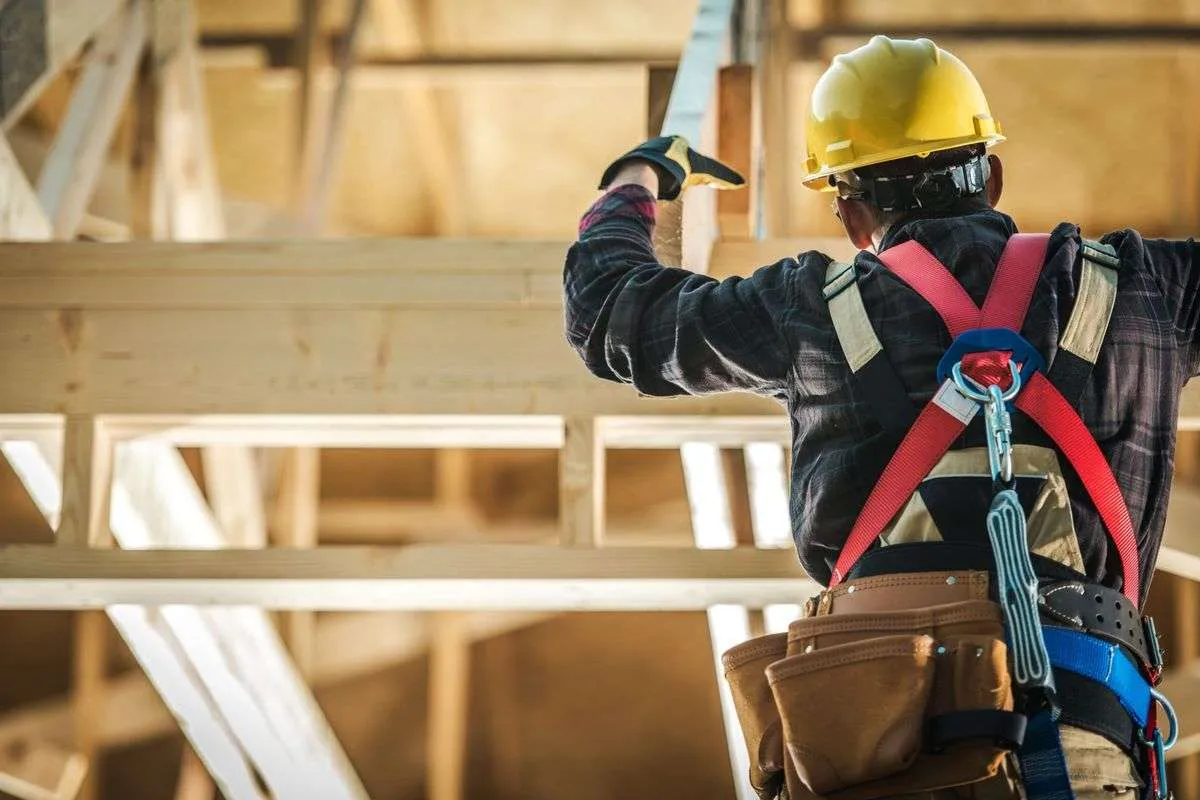
We provide the best mountaineering harness that is built and tested as per the relevant procedures and safety procedures. It is made of premium-quality material with ergonomic construction that can withstand a static load of 15 kN for up to 3 minutes and without causing any damage to the metal parts or the webbing.
Our mountain climbing harness typically comes with a shelf life of 5 years. You should regularly check for visible signs of damage, abrasion or wear & tear, upon which stop using the harness or it can cause major safety issues. However, when used, stored and maintained as per our guidelines, the harness can last for 10 years.

The most commonly used yarn for webbing is polypropylene (PP) yarn, along with polyester and nylon. Among these, PP yarn for webbing is widely preferred

Polyester webbing has emerged as one of the most reliable and high-performance materials used across safety-critical industries. Whether it’s protecting workers at height, supporting climbers

In the global bulk packaging industry, safety and structural integrity are everything. FIBC (Flexible Intermediate Bulk Container) manufacturers rely on materials that can handle extreme