
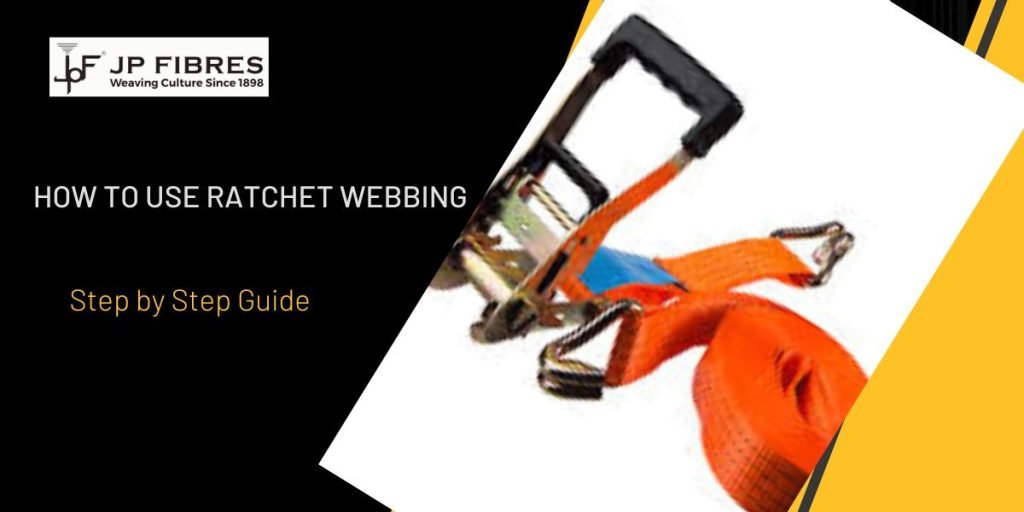
When it comes to securing heavy loads safely during transportation or storage, ratchet webbing is one of the most reliable and widely used solutions. From logistics companies and construction sites to personal cargo needs, ensures stability, safety, and peace of mind.
What Is Ratchet Webbing?
It is a high-strength woven strap used with a ratchet mechanism to tightly secure loads. It is commonly used for tying down cargo on trucks, trailers, pallets, and containers. Unlike ropes or cords, it provides controlled tension, preventing load shifting during transit.
The webbing strap is threaded through a ratchet device that allows users to tighten the strap precisely and lock it in place, ensuring maximum load security.
What Is Ratchet Webbing Made Of?
Webbing Material Explained
It is typically made from polyester, which is preferred because it offers:
- High tensile strength
- Low stretch under load
- Excellent resistance to abrasion, moisture, and UV rays
Compared to nylon (which stretches more) and polypropylene (which is lighter but less strong), polyester webbing delivers the best balance of durability and safety.
Key Components of Ratchet Webbing
- Polyester webbing strap
- Ratchet mechanism (usually steel)
- End fittings or hooks such as J-hooks, flat hooks, or D-rings
Each component plays a vital role in ensuring load stability.
How Ratchet Webbing Works?
It works on a mechanical leverage system. The strap is fed through the ratchet spindle and tightened by pumping the handle. Each movement increases tension while the internal locking teeth prevent backward movement.
This mechanism ensures:
- Controlled tightening
- No slippage once locked
- Easy release after use
Because of this design, it is far more secure than manual knot-based solutions.
7 Simple Steps to Use Ratchet Webbing Correctly
Follow these steps to ensure safe and effective usage
Step 1: Inspect the Ratchet Webbing
Check for cuts, fraying, worn stitching, or rusted ratchet parts. Damaged webbing should never be used.
Step 2: Position the Webbing Over the Load
Place the strap evenly over or around the cargo to distribute tension properly.
Step 3: Secure the End Hooks
Attach hooks or fittings firmly to anchor points such as trailer rails or lashing rings.
Step 4: Feed the Webbing Through the Ratchet
Insert the loose end of the webbing through the ratchet spindle slot.
Step 5: Tighten Using the Ratchet Handle
Pump the handle back and forth until the webbing becomes tight and secure.
Step 6: Lock the Ratchet
Close the ratchet fully to lock the strap in place.
Step 7: Release and Store Properly
After use, open the ratchet completely to release tension, roll the strap neatly, and store it in a dry place.
Benefits of Using Ratchet Webbing
It offers several advantages over traditional tie-down methods:
- High load-holding capacity
- Precise tension control
- Low stretch under stress
- Reusable and long-lasting
- Improved safety during transport
- Cost-effective for industrial use
These benefits make ratchet webbing a preferred choice for professional and personal applications.
Applications & Uses of Ratchet Webbing
Industrial & Commercial Applications
Cargo transportation and trucking
Warehousing and pallet securing
Construction material handling
Shipping containers and logistics
Personal & Light-Duty Uses
- Securing furniture during relocation
- Tying down motorcycles and vehicles
- Outdoor and camping equipment
Its versatility makes ratchet webbing suitable across multiple industries.
Ratchet Webbing Specifications You Should Know
Understanding specifications helps in selecting the right product:
- Webbing widths: 25 mm, 35 mm, 50 mm (custom options available)
- Breaking strength: Maximum load the webbing can withstand
- Working Load Limit (WLL): Safe recommended load
- Lengths: Custom lengths based on application
- Ratchet & hook material: Zinc-plated or powder-coated steel
Choosing the correct specifications ensures both safety and performance.
Safety Tips & Best Practices
- Never exceed the working load limit (WLL)
- Do not use ratchet webbing for lifting operations
- Avoid sharp edges or abrasive surfaces
- Inspect webbing before every use
- Replace worn or damaged straps immediately
- Store in a clean, dry environment away from sunlight
Following these practices significantly reduces risk.
Ratchet Webbing vs Other Tie-Down Solutions
Ratchet Webbing vs Cam Buckle Straps
It handles heavier loads
Cam buckles are suitable only for light-duty use
Ratchet Webbing vs Rope Tie-Downs
- More secure and consistent tension
- Higher durability and safety
- Faster and easier to use
For heavy or critical loads, it is clearly superior.
How to Choose the Right One?
Consider the following factors:
- Weight of the load
- Application type (industrial or personal)
- Required webbing width and length
- Hook or fitting type
- Compliance with safety and quality standards
Proper selection enhances safety and efficiency.
Why Choose JP Fibres?
JP Fibres is a trusted manufacturer and exporter of narrow woven fabrics and webbing products in India, offering:
- Premium-quality polyester ratchet webbing
- Custom widths, lengths, and specifications
- Tested and certified materials
- ISO 9001:2015 manufacturing standards
- On-time delivery and cost-effective pricing
Our solutions are designed for strength, durability, and long-term performance.
Frequently Asked Questions (FAQs)
What is ratchet webbing used for?
It is used to secure loads during transport, storage, and handling.
Is ratchet webbing stronger than rope?
Yes, it offers higher strength and controlled tension compared to ropes.
Can ratchet webbing be reused?
Yes, if properly maintained and free from damage.
What is the safe load for ratchet webbing?
Always follow the working load limit specified by the manufacturer.
How long does ratchet webbing last?
With proper care and storage, it can last several years.
Conclusion
It is an essential load-securing solution known for its strength, reliability, and safety. By understanding its features, applications, and correct usage, you can ensure secure transportation and long-lasting performance.