
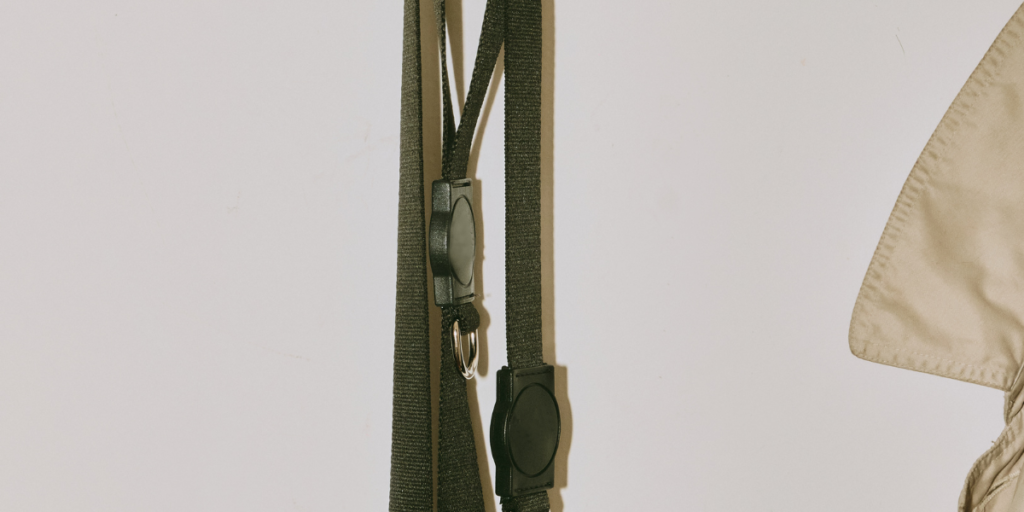
A polypropylene dog leash is a popular choice for pet-product manufacturers, wholesalers, retailers, and private-label brands looking for a lightweight, versatile, and cost-effective leash material. Polypropylene, commonly called PP, is a thermoplastic polymer widely used to produce webbing and ropes for dog leashes because of its low weight, moisture resistance, and practical performance.
But is polypropylene the right material for every dog leash?
The answer depends on the leash design, dog size, intended application, required durability, and environmental conditions. Understanding the benefits and limitations of polypropylene leash material can help pet brands and manufacturers select the right webbing for their products.
What Is a Polypropylene Dog Leash?
A polypropylene dog leash is a dog lead manufactured using polypropylene webbing or polypropylene rope, combined with components such as clips, D-rings, buckles, stitching, and handles.
Polypropylene is valued in leash manufacturing because it offers a useful combination of:
- Lightweight construction
- Good moisture resistance
- Low material cost
- Easy customization
- Good flexibility
- Resistance to many common chemicals
- Availability in different colors and finishes
For manufacturers, PP dog leash products can be developed in different widths, thicknesses, colors, patterns, and configurations depending on the requirements of the brand or end user.
Why Is Polypropylene Used for Dog Leashes?
The material used for a dog leash directly affects its weight, flexibility, appearance, durability, and cost. Polypropylene is particularly useful when manufacturers need a lightweight material that can be converted into woven webbing or rope.
Polypropylene webbing can also be customized for different product designs, making it suitable for standard leashes, adjustable leashes, long lines, and other pet accessories.
For B2B buyers, choosing the right polypropylene leash material involves evaluating more than the material name. Important factors include webbing width, thickness, construction, tensile strength, stitching, hardware, and the intended use of the finished leash.
Benefits of Polypropylene Dog Leashes
1. Lightweight Construction
One of the biggest advantages of polypropylene is its low density. A leash made with polypropylene webbing can be lightweight compared with products manufactured from some other materials.
This can be beneficial for:
- Small and medium-sized dogs
- Everyday walking leashes
- Lightweight pet accessories
- Long-line leash designs
- Products where overall weight needs to be minimized
For manufacturers, lightweight webbing can also help create comfortable products without unnecessarily increasing material weight.
2. Good Moisture Resistance
Polypropylene has low water absorption, making it a practical option for products exposed to moisture during normal use.
A polypropylene dog leash can therefore be suitable for applications such as:
- Outdoor walks
- Wet-weather use
- Beach activities
- General outdoor pet products
- Products that require easy moisture management
However, moisture resistance does not mean that the complete leash is waterproof. Hardware, stitching, coatings, and other components can behave differently when exposed to water.
3. Cost-Effective Leash Material
Cost is an important consideration for manufacturers producing dog leashes at scale.
Polypropylene can provide an economical material option for brands that need to balance product performance with manufacturing costs. This can be particularly useful for:
- Wholesale dog leash products
- Promotional pet accessories
- Private-label products
- Large-volume production
- Entry-level pet product ranges
The final product cost will still depend on webbing specifications, hardware, stitching, customization, packaging, order quantity, and other manufacturing requirements.
4. Available in Different Colors
Polypropylene webbing can be produced in a wide range of colors, allowing pet brands to create products that match their branding or product collections.
Manufacturers can consider:
- Solid colors
- Brand-specific colors
- Multi-color designs
- Patterned webbing
- Coordinated collar-and-leash collections
Color customization can be especially valuable for private-label pet brands looking to create a recognizable product identity.
5. Suitable for Webbing and Rope Applications
Polypropylene can be converted into different forms, including woven webbing and rope.
This gives manufacturers flexibility when developing different leash designs.
Depending on the product specification, polypropylene can be considered for:
- Standard dog leashes
- Rope-style leashes
- Long-line leashes
- Adjustable leashes
- Training leads
- Matching dog collars
- Pet harness components
The appropriate construction should always be selected according to the intended application and required performance.
6. Good Flexibility and Handling
A dog leash needs to be practical to handle. Excessively stiff or uncomfortable material can negatively affect the user experience.
Polypropylene can provide useful flexibility for many leash constructions, allowing manufacturers to develop products that are easy to handle, coil, store, and use.
The final feel of the leash depends on factors such as:
- Webbing construction
- Width
- Thickness
- Weave
- Finishing
- Stitching
- Handle design
7. Resistance to Many Common Chemicals
Polypropylene generally has good resistance to a variety of common chemicals. This characteristic can contribute to its suitability for different industrial and consumer applications, including pet accessories.
However, chemical compatibility depends on the specific chemical, concentration, exposure time, temperature, and product construction.
Therefore, manufacturers should evaluate the actual operating environment before selecting polypropylene for a specialized application.
Uses of Polypropylene Dog Leashes
A PP dog leash can be manufactured for several different applications depending on the required design and performance characteristics.
Everyday Dog Walking
Polypropylene is suitable for many standard walking-leash designs where lightweight construction, flexibility, and cost efficiency are important.
These leashes can be manufactured in different widths and colors to serve different product ranges.
Training Leads
Longer leads and training leashes can also be produced using polypropylene-based materials when the selected construction meets the requirements of the application.
Manufacturers should consider leash length, webbing construction, stitching, hardware, and expected load before finalizing the design.
Long-Line Dog Leashes
Long-line leashes are used when a dog needs more freedom of movement while remaining connected to the handler.
Because polypropylene is lightweight, it can be considered for long-line products where reducing leash weight is an important design consideration.
Custom and Private-Label Dog Leashes
Polypropylene is also an option for brands developing custom pet accessories.
A manufacturer can potentially customize:
- Color
- Width
- Webbing pattern
- Branding
- Stitching
- Hardware
- Packaging
This allows pet brands to develop a product range around their own specifications.
Matching Dog Collars and Harnesses
Polypropylene webbing is not limited to leashes. Similar material can be considered for matching:
- Dog collars
- Harnesses
- Leads
- Pet accessories
Using coordinated webbing across multiple products can create a consistent appearance for a pet-product collection.
Limitations of Polypropylene Dog Leashes
Although polypropylene offers several advantages, it is not automatically the best material for every dog leash.
1. Lower Heat Resistance Than Some Alternatives
Polypropylene has limitations when exposed to elevated temperatures. Excessive heat can affect the properties of the material.
Manufacturers should therefore consider the expected operating environment and avoid applications where the material may be exposed to unsuitable temperatures.
2. UV Exposure Can Affect Long-Term Performance
Prolonged exposure to sunlight and ultraviolet radiation can affect polymer materials over time.
For dog leashes intended for extensive outdoor or long-term UV exposure, manufacturers should consider appropriate material selection, stabilization, construction, and testing.
3. Strength Requirements Must Be Evaluated
A leash should not be selected solely because it is made from polypropylene.
The performance of the finished leash depends on the complete construction, including:
- Webbing width
- Webbing thickness
- Weave structure
- Tensile strength
- Stitching
- Hardware
- Attachment points
- Manufacturing quality
A lightweight polypropylene leash may be appropriate for one application but unsuitable for another.
4. Not Every Polypropylene Webbing Is the Same
The term “polypropylene webbing” describes the base material, not one standardized product.
Different polypropylene webbings can vary in:
- Width
- Thickness
- Weave
- Tensile strength
- Surface finish
- Color
- Flexibility
- Construction
This is why B2B buyers should specify their performance and design requirements rather than selecting a material based only on price.
Polypropylene vs Nylon for Dog Leashes
One of the most common material comparisons is polypropylene vs nylon.
| Feature | Polypropylene | Nylon |
|---|---|---|
| Weight | Lightweight | Generally heavier |
| Water absorption | Low | Higher than polypropylene |
| Flexibility | Good | Good |
| Cost | Often economical | Generally higher |
| Color options | Wide range | Wide range |
| Outdoor applications | Suitable for many applications | Suitable for many applications |
| Abrasion performance | Application-dependent | Generally strong abrasion performance |
| Best selection | Depends on application | Depends on application |
There is no universal “best” material.
For example, a brand prioritizing lightweight construction and cost efficiency may consider polypropylene, while another product requiring different strength or abrasion characteristics may choose nylon.
The correct choice should be based on the product’s intended use and performance requirements.
How to Choose the Right Polypropylene Leash Material?
If you are sourcing polypropylene webbing for dog leash manufacturing, consider these factors before placing an order.
1. Determine the Intended Use
First identify whether the leash will be used for:
- Everyday walking
- Training
- Outdoor activities
- Long-line applications
- Small dogs
- Medium dogs
- Large dogs
- Commercial or professional use
The application determines the required material specifications.
2. Select the Correct Webbing Width
Webbing width affects the appearance, handling, and construction of the finished leash.
Common design considerations include:
- Dog size
- Expected loading
- Handle comfort
- Hardware compatibility
- Product aesthetics
3. Check Tensile Strength
Tensile strength is an important consideration when selecting leash webbing.
Manufacturers should define the required performance based on the intended application rather than relying on a generic strength claim.
4. Evaluate Abrasion Resistance
The leash may experience repeated contact with:
- Hands
- Ground surfaces
- Hardware
- Other pet equipment
- Outdoor surfaces
Evaluating abrasion performance can help improve product durability.
5. Consider Stitching and Hardware
Even strong webbing can fail if the attachment points are poorly designed.
The finished product should therefore be evaluated as a complete assembly, including:
- Stitching pattern
- Stitch strength
- Buckles
- Snap hooks
- D-rings
- Reinforcement
- Webbing termination
6. Ask for Samples Before Bulk Production
For B2B buyers, samples can help evaluate the material before committing to large production quantities.
A sample allows you to assess:
- Color
- Width
- Thickness
- Flexibility
- Surface finish
- Stitching compatibility
- Hardware compatibility
- Overall product appearance
Polypropylene Dog Leashes for Private-Label Brands
Pet brands increasingly need customized products that align with their brand identity and target market.
A polypropylene dog leash can be customized according to requirements such as:
Material → Webbing → Width → Color → Hardware → Stitching → Branding → Packaging
For private-label production, buyers should provide clear specifications to the manufacturer.
These may include:
- Required webbing material
- Leash length
- Webbing width
- Color
- Tensile-strength requirements
- Hardware specifications
- Logo or branding requirements
- Packaging requirements
- Expected order quantity
Working with an experienced manufacturer can simplify the process from material selection through finished-product production.
What Should You Ask a Polypropylene Dog Leash Manufacturer?
Before selecting a supplier, B2B buyers should ask:
- What polypropylene webbing specifications are available?
- What webbing widths and thicknesses can you manufacture?
- Can you provide samples?
- What customization options are available?
- Can you manufacture private-label dog leashes?
- What testing is performed on the webbing?
- What stitching and hardware options are available?
- What are the minimum order quantities?
- Can you support bulk production?
- Can you provide customized colors and branding?
These questions can help buyers compare manufacturers based on product suitability rather than price alone.
Is Polypropylene a Good Material for Dog Leashes?
Yes, polypropylene can be a good material for dog leashes when its properties match the intended application.
Its lightweight construction, low moisture absorption, color flexibility, versatility, and cost-effectiveness make it an attractive option for many dog-leash designs.
However, polypropylene should not be selected solely because it is economical. Product requirements such as tensile strength, abrasion resistance, UV exposure, webbing construction, stitching, hardware, and intended dog size should also be considered.
For specialized or heavy-duty applications, manufacturers should evaluate whether polypropylene or another material provides the required performance.
Frequently Asked Questions About Polypropylene Dog Leashes
Is polypropylene good for dog leashes?
Polypropylene can be suitable for many dog leash applications because it is lightweight, has low water absorption, is available in various colors, and can be manufactured as webbing or rope. The appropriate specification depends on the intended application.
What is a PP dog leash?
A PP dog leash is a dog leash manufactured using polypropylene, commonly in the form of woven webbing or rope. PP stands for polypropylene.
Is polypropylene stronger than nylon for dog leashes?
Neither material is universally better. The performance depends on the specific construction and application. Nylon may offer advantages for certain strength and abrasion requirements, while polypropylene can provide benefits such as lower weight, low water absorption, and cost efficienc
Is polypropylene webbing waterproof?
Polypropylene has very low water absorption, making polypropylene webbing suitable for applications where moisture resistance is important. However, the complete dog leash may contain stitching, hardware, and other materials that are not necessarily waterproof.
Is polypropylene suitable for heavy-duty dog leashes?
Polypropylene can be considered for certain heavy-duty applications when the webbing specification, construction, stitching, hardware, and required strength are appropriate. Heavy-duty products should be evaluated as a complete assembly.
Can polypropylene dog leashes be customized?
Yes. Depending on the manufacturer, polypropylene dog leashes can be customized by width, length, color, webbing construction, hardware, stitching, branding, and packaging.
What is the best webbing material for dog leashes?
There is no single best material for every dog leash. Polypropylene, nylon, and polyester can each be suitable depending on the product’s intended use, required performance, cost, appearance, and environmental conditions.
Choose the Right Polypropylene Webbing for Dog Leash Manufacturing
Selecting the right polypropylene leash material is an important step in developing a reliable dog leash. The material should be evaluated alongside webbing construction, tensile strength, width, thickness, stitching, hardware, and the intended application.
For pet-product brands, wholesalers, and OEM buyers, working directly with an experienced webbing and leash manufacturer can make it easier to develop products that meet specific design and performance requirements.
JP Fibres manufactures webbing and pet-product solutions for businesses looking for customized and bulk production options. If you are sourcing polypropylene webbing or developing a private-label dog leash range, discuss your required specifications with the manufacturing team.
Explore dog leash manufacturing solutions and discuss your custom requirements with JP Fibres.