
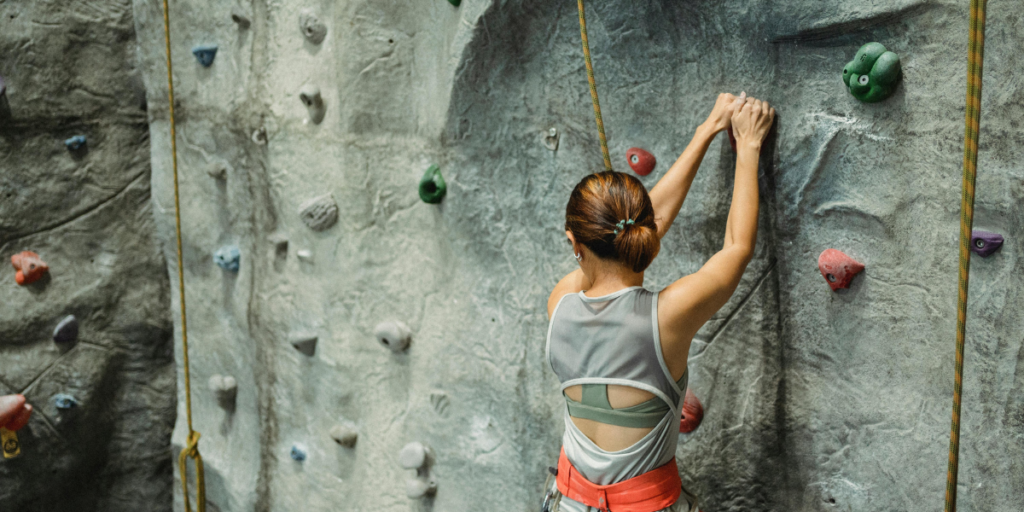
Choosing the right climbing rope is one of the most important decisions for safety, performance, and confidence during any climbing activity. Whether you’re an indoor climber, a sport climber, a mountaineer, or an industrial rope access professional, understanding the types of dynamic climbing ropes can help you make an informed purchase.
Dynamic climbing ropes are specifically designed to absorb the energy generated during a fall, reducing the impact on both the climber and the anchor system. However, not every climbing situation requires the same rope configuration. The three most common options are single climbing ropes, half ropes, and twin ropes, each designed for different environments and climbing techniques.
In this guide, we’ll explain the differences between these rope types, their applications, advantages, and how to choose the best option for your needs.
What Are Dynamic Climbing Ropes?
Dynamic climbing ropes are manufactured with an elastic core that stretches under load. This controlled elongation helps absorb the force generated during a fall, making them the preferred choice for lead climbing, mountaineering, and rescue operations.
Unlike static ropes, which are designed to minimize stretch, dynamic ropes prioritize impact absorption to improve climber safety.
Types of Dynamic Climbing Ropes
The three primary categories include:
- Single Climbing Rope
- Half Rope
- Twin Rope
Each has unique characteristics suited to different climbing styles.
1. Single Climbing Rope
What Is a Single Climbing Rope?
A single climbing rope is the most commonly used dynamic rope. It is designed to be used independently and is marked with the number 1 on the rope certification label.
It provides a balance of strength, ease of use, and versatility, making it suitable for beginners and experienced climbers alike.
Best Applications
Indoor climbing Sport climbing
Traditional climbing
Gym climbing General outdoor climbing
Advantages
Easy rope management
Faster belaying Lightweight compared to dual-rope systems
Ideal for most climbing situations
Simplifies climbing rope selection for beginners
Limitations
Less redundancy if the rope becomes damaged
Not ideal for long alpine traverses
2. Half Rope
What Is a Half Rope?
Half ropes are designed to be used as a pair. Instead of clipping both ropes into every protection point, climbers alternate them between pieces of protection.
This technique reduces rope drag and provides greater flexibility on wandering routes.
Best Applications
Alpine climbing
Multi-pitch climbing
Ice climbing
Mixed climbing
Traditional climbing
Advantages
Reduced rope drag
Increased redundancy
Better protection on complex routes
Easier rope management on traverses
3. Twin Rope
What Is a Twin Rope?
Twin ropes are always used together. Unlike half ropes, both ropes are clipped into the same protection points throughout the climb.
They are typically thinner and lighter than single ropes while maintaining high safety standards.
Best Applications
Mountaineering
Glacier travel
Ice climbing
Long alpine routes
Advantages
Excellent redundancy
Lighter individual rope weight
Increased safety in remote climbing
Limitations
Both ropes must always be clipped together
Requires specific belay techniques
Not suitable for every climbing style
Single Rope vs Half Rope vs Twin Rope
| Feature | Single Rope | Half Rope | Twin Rope |
|---|---|---|---|
| Used Alone | ✔ | ✘ | ✘ |
| Used in Pairs | ✘ | ✔ | ✔ |
| Best for Beginners | ✔ | ✘ | ✘ |
| Indoor Climbing | ✔ | ✘ | ✘ |
| Sport Climbing | ✔ | Limited | Limited |
| Alpine Climbing | Good | Excellent | Excellent |
| Ice Climbing | Good | Excellent | Excellent |
| Rope Drag Reduction | Moderate | Excellent | Good |
| Redundancy | Low | High | High |
Factors to Consider When Choosing a Climbing Rope
Selecting the right rope depends on several factors.
1. Type of Climbing
Choose a rope based on your climbing discipline:
- Sport climbing
- Traditional climbing
- Indoor climbing
- Mountaineering
- Ice climbing
- Rescue operations
2. Rope Diameter
Thicker ropes generally offer greater durability, while thinner ropes are lighter and easier to carry.
3. Rope Length
Common rope lengths include:
- 50 meters
- 60 meters
- 70 meters
- 80 meters
Longer ropes provide greater versatility for outdoor routes.
4. Safety Certifications
Always choose ropes that comply with recognized international safety standards, such as UIAA and EN certifications where applicable.
5. Durability
Look for ropes manufactured using premium nylon fibers with advanced kernmantle construction to provide:
- High abrasion resistance
- Long service life
- Excellent flexibility
- Reliable fall protection
Which Rope Is Best for You?
Choose a Single Rope If
You’re new to climbing.
You primarily climb indoors or on sport routes.
You want straightforward rope handling.
Choose Half Ropes If
You climb alpine or multi-pitch routes.
You need reduced rope drag.
You value redundancy and route flexibility.
Choose Twin Ropes If
You tackle glacier travel or technical alpine routes.
Weight savings matter.
You want maximum redundancy on remote climbs.
Why Rope Quality Matters?
No matter which rope configuration you choose, quality should never be compromised.
High-quality dynamic climbing ropes undergo rigorous testing for:
- Impact force
- Dynamic elongation
- Sheath slippage
- Abrasion resistance
- Fall rating
- Tensile strength
Selecting ropes from an experienced manufacturer helps ensure consistent performance and long-term reliability.
Why Choose JP Fibres for Dynamic Climbing Ropes?
JP Fibres manufactures high-performance dynamic climbing ropes engineered for demanding climbing and industrial applications. Every rope is designed with durability, safety, and consistent performance in mind to meet the expectations of professional users.
Our dynamic climbing ropes offer:
- Premium-quality raw materials
- Advanced manufacturing processes
- Excellent energy absorption
- High abrasion resistance
- Consistent quality control
- Reliable supply for domestic and international markets
Whether you require ropes for climbing, rescue operations, industrial safety, or specialized applications, our team can help you select the right solution.
Frequently Asked Questions
Can beginners use half ropes?
Half ropes are generally recommended for experienced climbers because they require advanced rope management and belaying techniques.
Are twin ropes safer than single ropes?
Twin ropes provide additional redundancy but must be used correctly. They are designed for specialized climbing environments rather than general-purpose climbing.
Which climbing rope lasts the longest?
The lifespan depends on usage frequency, storage conditions, maintenance, and exposure to abrasion or falls. Regular inspection is essential regardless of rope type.
Can I use a single rope for mountaineering?
Yes, many mountaineering routes can be completed with a single rope. However, more technical alpine terrain may benefit from half or twin rope systems.
How do I know which rope to buy?
Consider your climbing discipline, route type, rope handling experience, required rope length, and applicable safety certifications before making your selection.
Conclusion
Understanding the differences between single climbing ropes, half ropes, and twin ropes is essential for making the right climbing rope selection. Each rope type is designed for specific climbing conditions, and choosing the appropriate option can improve safety, efficiency, and overall climbing performance.
Whether you’re preparing for indoor climbing, alpine expeditions, or technical rescue operations, investing in high-quality dynamic climbing ropes from a trusted manufacturer ensures reliable performance when it matters most.